
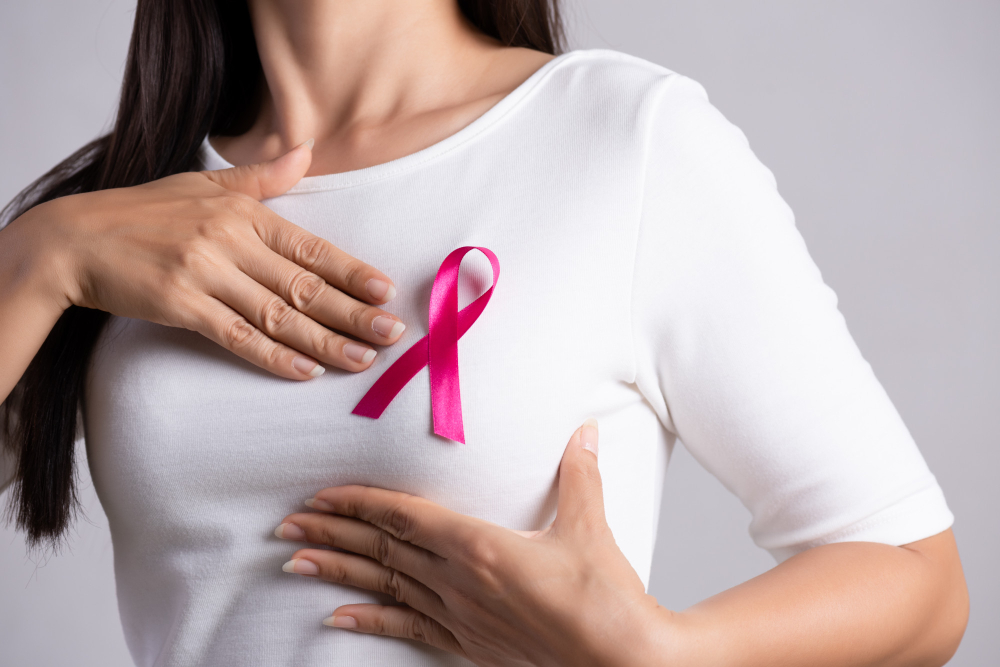
Many people have questions about breast cancer. This FAQ breast cancer guide gives simple answers to common concerns. You will learn about breast cancer symptoms, risk factors, diagnosis, treatment options, prevention, and living with the disease. For more details, always check with a healthcare professional.
What Is Breast Cancer?
Breast cancer is a disease where cells in the breast grow out of control. These cells can form a lump or mass. Sometimes, they spread to other parts of the body. Early detection can help improve outcomes. According to the World Health Organization (WHO), breast cancer is the most common cancer in women worldwide.
What Are the Common Symptoms of Breast Cancer?
It is important to know the signs of breast cancer. However, not everyone will have symptoms. If you notice any changes, see your doctor. Common breast cancer symptoms include:
Sometimes, these symptoms can be caused by other conditions. Still, it is best to get checked.
What Are the Risk Factors for Breast Cancer?
Some people have a higher risk of breast cancer. However, having risk factors does not mean you will get the disease. Key risk factors include:
Even if you have no risk factors, you can still get breast cancer. Therefore, regular screening is important.
How Is Breast Cancer Diagnosed?
Doctors use several tests to diagnose breast cancer. Early diagnosis can save lives. Common breast cancer diagnosis steps include:
If you have questions about these tests, ask your healthcare provider. They can explain what to expect.
What Are the Treatment Options for Breast Cancer?
There are many breast cancer treatment options. The best choice depends on the type and stage of cancer. Your doctor will help you decide. Common treatments include:
Sometimes, you may need more than one treatment. Your care team will explain the plan and answer your questions.
Can Breast Cancer Be Prevented?
While you cannot prevent all cases, you can lower your risk. Here are some tips to help prevent breast cancer:
Additionally, regular screening can help find cancer early. Early detection makes treatment easier and more effective.
What Is It Like Living With Breast Cancer?
Living with breast cancer can be challenging. However, many people continue to lead full lives. Here are some things to keep in mind:
Remember, you are not alone. Many resources are available to help you cope and stay strong.
Conclusion
In summary, this FAQ breast cancer guide covers the basics about symptoms, risk factors, diagnosis, treatment, prevention, and living with the disease. If you have more questions or concerns, consult a healthcare professional for personalized advice on breast cancer.