
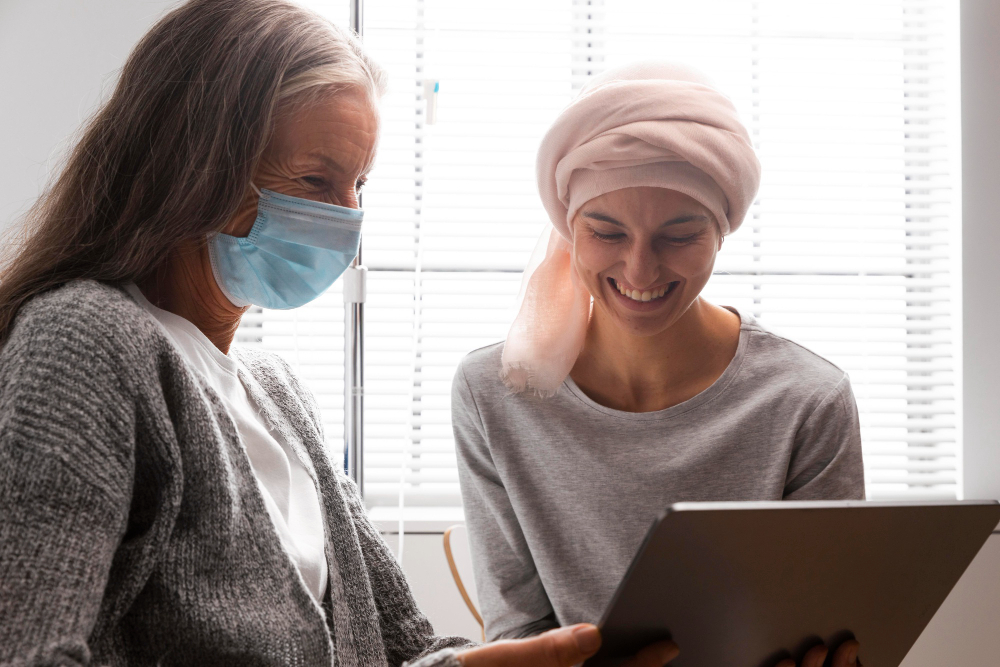
Introduction: Why Support Matters After Cancer
Recovering from cancer is a big step. A strong post-cancer support network can make this journey easier. Many survivors and their families feel lost or alone after treatment ends. However, having people to lean on can help you heal, both in body and mind. In this guide, you will learn how to build and keep a support network after cancer recovery.
Types of Support: What Survivors Need
After cancer, you may need different kinds of help. Each type of support plays a special role in recovery. For example, emotional support helps you cope with feelings. Social support keeps you connected. Practical support helps with daily tasks. Informational support gives you facts and advice. Let’s look at each type:
How to Build and Maintain a Support Network
Building a post-cancer support network takes time and effort. Still, it is worth it. Here are some ways to start:
Moreover, keep in touch with your network. Regular calls, messages, or meetings help keep bonds strong.
Benefits of a Strong Support System
A good support network can help you in many ways. For instance, it can lower stress and boost your mood. It may also help you manage side effects and stay active. According to the American Cancer Society, survivors with strong support often feel less lonely and recover better. In addition, support can help you stay hopeful and focused on your goals.
Tips for Seeking and Offering Support
Sometimes, asking for help feels hard. Yet, it is important to remember that you are not alone. Try these tips:
Likewise, if you are a loved one, check in often. Small gestures, like a text or a meal, can mean a lot.
Overcoming Common Challenges
Building a support network is not always easy. Sometimes, people feel embarrassed or worry about being a burden. Others may not know where to start. However, remember that everyone needs help at times. If you face challenges, try these steps:
With time, you will find people who understand and care.
Resources and Organizations That Can Help
Many groups offer support for cancer survivors and families. For example, you can find:
Additionally, ask your doctor or nurse for a list of trusted resources.
Preventing Isolation and Promoting Well-Being
After cancer, it is easy to feel alone. Still, staying connected is key to healing. Try to join activities you enjoy. Even a short walk with a friend can lift your mood. If you feel isolated, reach out to someone you trust. Remember, support is a two-way street. Helping others can also help you feel better.
Conclusion: Take the Next Step
Building a post-cancer support network is one of the best things you can do for your recovery. Whether you are a survivor or a loved one, support makes a real difference. Do not hesitate to seek help or offer it. Consult a healthcare professional or join a local support group for personalized guidance on building your post-cancer support network.