
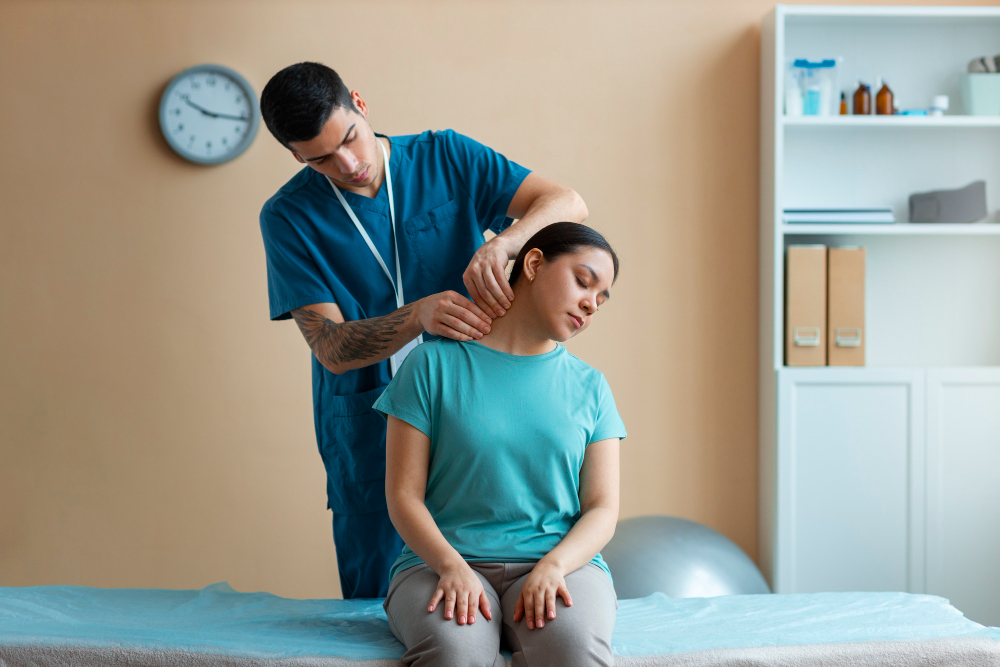
What is Physical Therapy After Cancer Surgery?
Physical therapy after cancer surgery is a special type of care. It helps people regain strength, movement, and function after their operation. Often, this process is called rehabilitation after cancer surgery. Physical therapists guide patients through safe exercises and activities. These steps help the body heal and adjust after treatment. For many cancer patients, this support is key to getting back to daily life.
Why is Physical Therapy Important After Cancer Surgery?
After cancer surgery, the body needs time and help to recover. However, many people face pain, weakness, or trouble moving. Physical therapy is important because it:
According to the World Health Organization (WHO), early rehabilitation can improve recovery and quality of life for cancer survivors. In addition, it lowers the risk of future health issues.
Common Physical Challenges After Cancer Surgery
Many people face physical challenges after cancer surgery. For example, you may notice:
These issues can make daily tasks harder. But with the right help, most people improve over time.
How Physical Therapy Helps Recovery
Physical therapy offers many benefits for cancer patients. First, therapists create a plan that fits your needs. Then, they teach you safe exercises to build strength and flexibility. In addition, they show you ways to manage pain and swelling. For example, gentle stretching can ease tight muscles. Also, balance training can help prevent falls. Over time, these steps speed up healing and boost confidence.
What to Expect During Physical Therapy Sessions
During your first visit, the therapist will ask about your surgery and health. Next, they check your movement, strength, and pain levels. After that, they design a program just for you. Each session may include:
Sessions usually last 30 to 60 minutes. As you get stronger, your program may change to fit your progress.
Tips for Maximizing Recovery at Home
Besides therapy sessions, you can help your recovery at home. Here are some tips:
Remember, every step counts. Even small efforts can make a big difference over time.
Prevention of Complications and Improving Quality of Life
Physical therapy after cancer surgery does more than help you heal. It also prevents problems like joint stiffness, muscle loss, and swelling. In addition, it lowers the risk of falls and injuries. Most importantly, it helps you feel more independent and confident. Studies show that people who join rehabilitation after cancer surgery often enjoy a better quality of life. They can return to work, hobbies, and social activities sooner.
In summary, physical therapy is a key part of cancer recovery. It helps you heal, stay active, and enjoy life again. For the best results, start therapy early and follow your therapist’s advice.
Call to Action: Consult a physical therapist or oncology specialist for personalized recovery guidance.