
Introduction
Colon polyps are small growths that form on the inner lining of the colon. While most polyps are harmless, some can turn into colon cancer over time. Because of this risk, it is important to know about colon polyps symptoms, causes, diagnosis, and treatment. Early detection can help prevent serious health problems. This blog will guide you through everything you need to know about colon polyps.
What Are Colon Polyps?
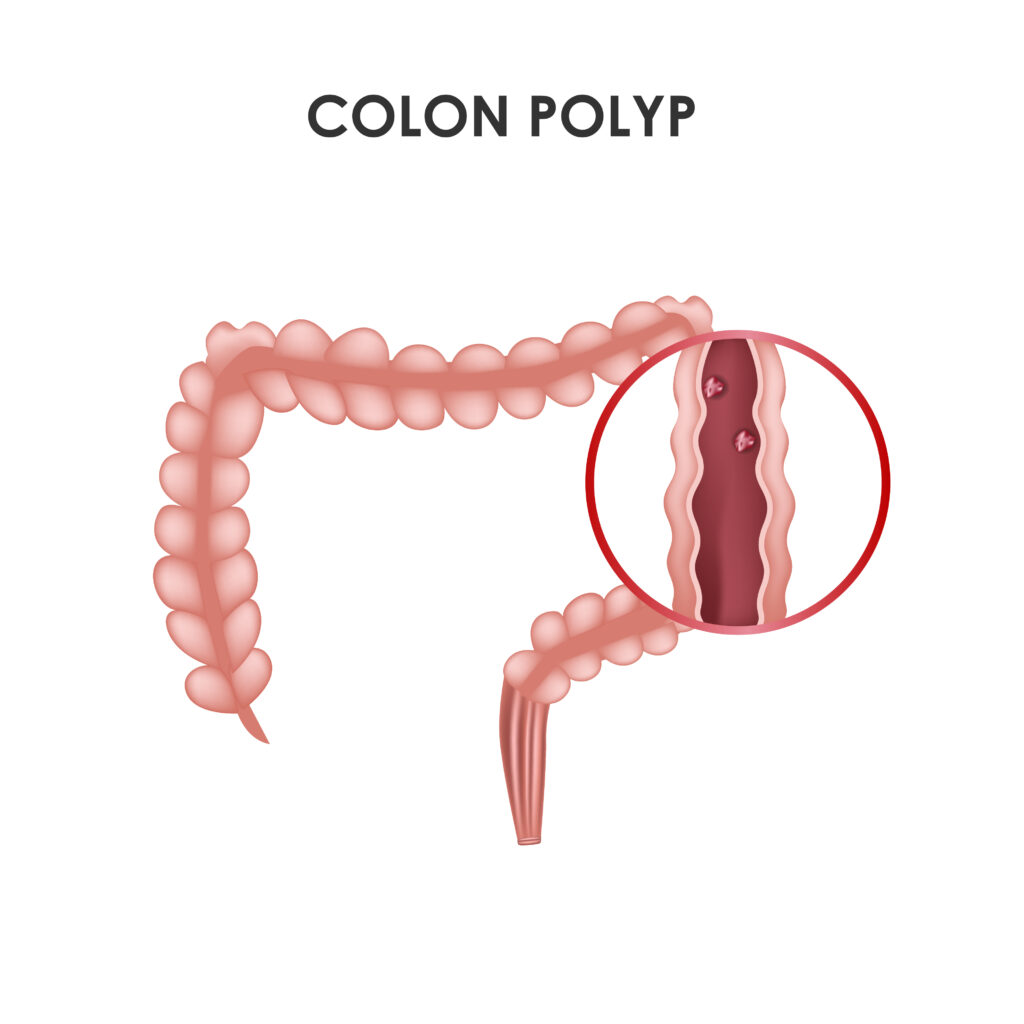
Colon polyps are lumps that grow on the wall of the colon or rectum. Some polyps are flat, while others look like small bumps. Most polyps are not cancerous. However, some types can become cancer if not removed. According to the CDC, colon polyps are common, especially in adults over 50 years old.
Symptoms
Often, colon polyps do not cause any symptoms. However, some people may notice signs. Knowing colon polyps symptoms can help you seek care early. For example, you may see:
Still, many people have no symptoms at all. Therefore, regular screening is important, especially if you are over 50 or have risk factors.
Causes and Risk Factors
Colon polyps form when cells in the colon grow and divide more than usual. Several factors can increase your risk. For instance, your risk goes up if you:
Additionally, some rare genetic conditions can raise your risk. But most polyps develop without a clear cause.
Diagnosis
Doctors use several tests to find colon polyps. Colon polyps diagnosis often starts with a screening test. Common methods include:
Because polyps often cause no symptoms, regular screening is key. The CDC recommends starting screening at age 45 for most people.
Treatment Options
If your doctor finds colon polyps, they will likely remove them. Colon polyps treatment depends on the size, number, and type of polyps. Most polyps are removed during a colonoscopy. The doctor uses special tools to cut or burn off the polyp. After removal, the polyp is sent to a lab to check for cancer cells.
After treatment, your doctor may suggest follow-up tests to check for new polyps.
Prevention Tips
While you cannot always prevent colon polyps, you can lower your risk. Here are some tips on how to prevent colon polyps:
Making these changes can help protect your colon health. In addition, talk to your doctor if you have a family history of colon polyps or colon cancer.
When to See a Doctor
It is important to see a doctor if you notice colon polyps symptoms, such as blood in your stool or changes in bowel habits. Even if you feel fine, regular screening is vital, especially if you are over 45 or have risk factors. Early detection and colon polyps treatment can prevent serious problems.
Consult a healthcare specialist for personalized advice about colon polyps.